
how to choose a bathroom mirror
Understanding 6G and 6H Thread Gauges Precision in Engineering In the world of engineering and manufacturing, thread gauges play a crucial role in ensuring the accuracy and functional integrity of threaded components. Among the various classifications of thread gauges, the 6G and 6H designations are particularly important, especially in applications involving tight tolerances and high-performance requirements. Understanding the differences between these two types of gauges is essential for engineers, manufacturers, and quality control specialists. What are Thread Gauges? Thread gauges are tools used to measure the size and pitch of threads on screws, bolts, and other fasteners. They come in various specifications to accommodate different types of threads, including Unified, Metric, and Whitworth threads. The accuracy of these gauges is critical, as even slight deviations can lead to assembly issues, product failures, or safety hazards. Introducing 6G and 6H Thread Gauges The distinction between 6G and 6H gauges mainly revolves around the tolerance classes they represent. In general, the “G” and “H” designation stands for General and Holding, respectively. 6g 6h thread gauges 1. 6G Thread Gauges The 6G tolerance class is often used for external threads, such as those found on bolts and studs. This class provides a medium level of tolerance, which allows for easy assembly while ensuring sufficient strength and reliability of the fastened joint. The 6G specification is characterized by a more significant allowance for variation, making it suitable for applications where parts may need to fit together while still accommodating some manufacturing error. 2. 6H Thread Gauges In contrast, the 6H class is designed for internal threads, such as those in nuts and tapped holes. The 6H tolerance is tighter than that of 6G, promoting a higher degree of precision. This class is particularly beneficial in applications where consistent performance is critical, and any slack in fit could lead to malfunction or decreased load-bearing capability. Applications and Importance Both 6G and 6H gauges are essential in industries ranging from aerospace to automotive manufacturing, where precision and reliability are paramount. The choice of gauge depends on the specific requirements of the application. Engineers often select 6G for general use, where some tolerance is acceptable, while 6H is favored in precision applications demanding greater control over dimensional accuracy. Conclusion In conclusion, the choice between 6G and 6H thread gauges can significantly impact the quality and performance of mechanical assemblies. Understanding their differences allows engineers to select the appropriate gauge for their specific application needs, ensuring both efficiency in production and reliability in the final product. In an era where precision engineering is more important than ever, mastering the subtleties of thread gauge specifications is essential for successful manufacturing practices.
about
how to choose a bathroom mirror
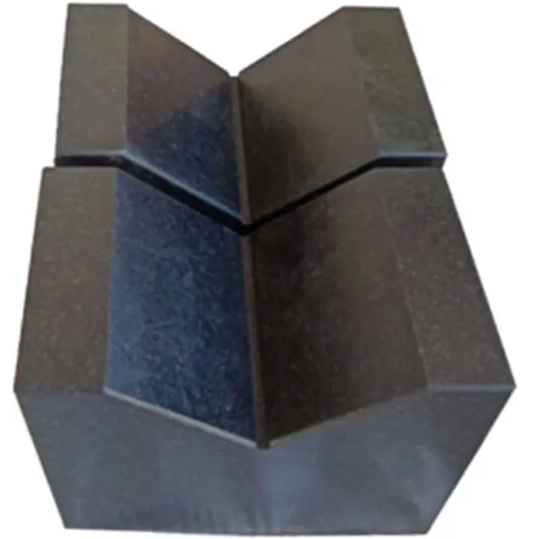
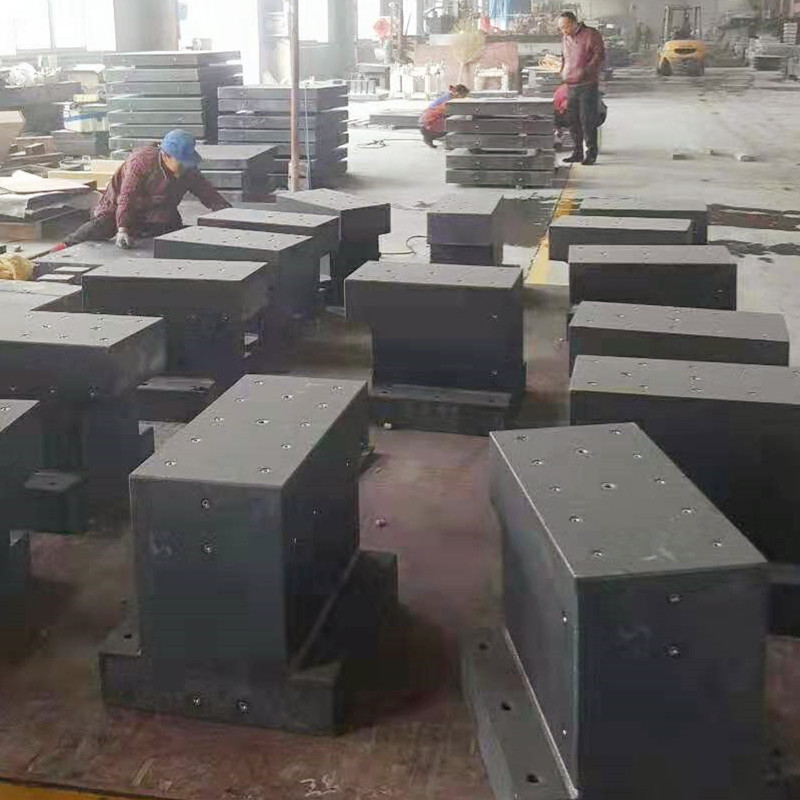
The Importance of Granite Angle Plates in Precision Engineering In the realm of precision engineering and manufacturing, maintaining accuracy and stability during the measurement and machining processes is paramount. This is where granite angle plates come into play. Renowned for their durability and precision, granite angle plates have become indispensable tools for engineers, machinists, and quality assurance professionals alike. Granite angle plates are essentially flat, rectangular stones made from natural granite, polished to achieve a smooth surface finish. They are typically used as a reference surface for measurement and assembly tasks, providing a robust and stable platform for various applications. One of the standout features of granite as a material is its dimensional stability, which means that it does not expand or contract significantly with changes in temperature or humidity. This property is crucial when working with high precision machinery, where even the slightest deviation can lead to errors in measurements and outcomes. A key application of granite angle plates is in the alignment and setup of machines and workpieces. During machining processes, ensuring that components are positioned accurately is essential for achieving the desired results. Granite angle plates serve as a reliable reference surface for aligning parts, helping to avoid misalignment issues that could compromise the quality of the final product. Their durability allows them to withstand the rigors of industrial environments, making them a long-lasting investment for manufacturers. granite angle plate Moreover, granite angle plates contribute significantly to the inspection and quality control processes. In manufacturing, precision is non-negotiable; hence, the need for accurate measurements is vital . These plates provide a stable surface for the placement of items being measured, ensuring consistent results. Inspectors often employ granite angle plates in conjunction with precision measuring tools such as calipers and dial gauges to verify the dimensions and tolerances of machined components. The flatness and smoothness of the granite surface minimize the risk of errors that could arise from warping or uneven surfaces. Apart from their technical advantages, granite angle plates are also aesthetically pleasing. The natural beauty of granite, with its unique patterns and colors, adds an element of sophistication to workshops and inspection areas. This visual appeal, combined with their functional benefits, makes granite angle plates not just tools, but also a symbol of craftsmanship and quality in the engineering field. In terms of maintenance, granite angle plates are relatively easy to care for. Regular cleaning and the application of a protective surface coating can help preserve their integrity and accuracy over time. It is important to handle them with care to prevent chipping or cracking, as these can impact their performance and measurement capabilities. In conclusion, granite angle plates play a crucial role in the field of precision engineering. Their inherent properties, such as stability and durability, make them essential for alignment, assembly, and quality control processes. As industries continue to demand higher levels of accuracy and consistency, the relevance of granite angle plates remains unwavering. For engineers and machinists aiming for precision in their work, investing in a quality granite angle plate is not just a choice; it is a necessity for achieving excellence in manufacturing and engineering practices. Whether used in small workshops or large-scale production facilities, granite angle plates symbolize the intersection of quality, reliability, and precision in the world of engineering.
-

High quality industrial productsagement

High quality industrial products
View Details -

Meet the diverse needs of customers

Meet the diverse needs of customers
View Details -

Strict quality control

Strict quality control
View Details -

Top raw materials

Top raw materials
View Details -

Trusted supplier

Trusted supplier
View Details
Our application
news and information

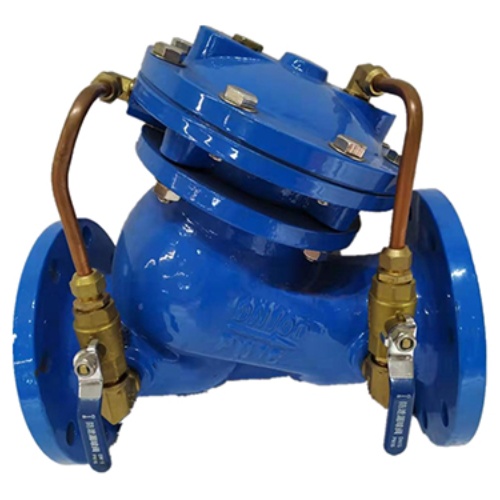
Water Valve Gate Design Prevents Leakage and Corrosion
In the realm of water management within pipelines, the design of water valve gate is of paramount im

Various Categories of Gate Valves and Their Applications
Different Types of Gate Valves Gate valves are a type of valve that opens by lifting a gate out of t
valvole ad acqua accese o spente
Valvole dell'Acqua Accese o Spente? Nel mondo moderno, l’acqua è una risorsa preziosa e limitata. La
 English